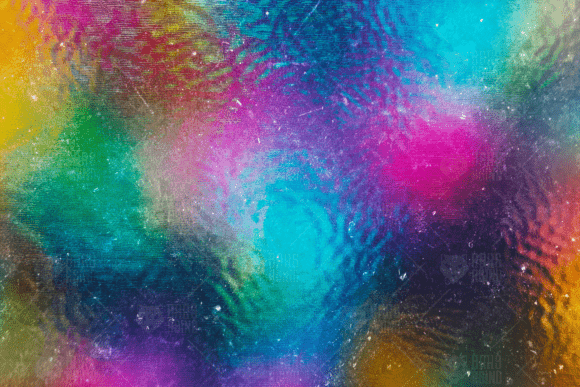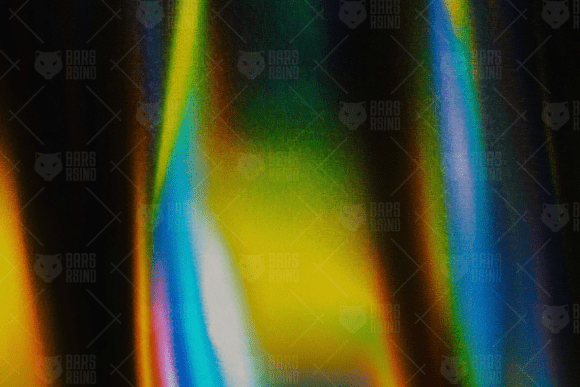
Abstract Dark Rainbow Background: A Versatile Asset for Creative Design Projects
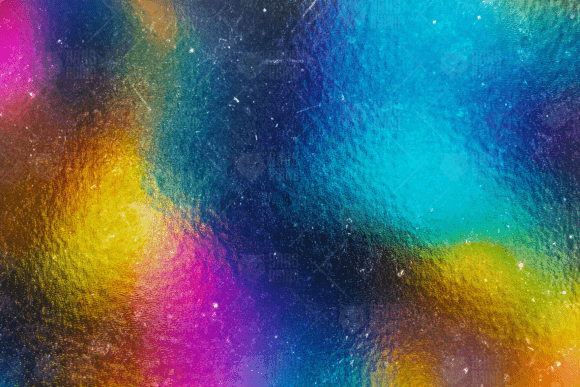
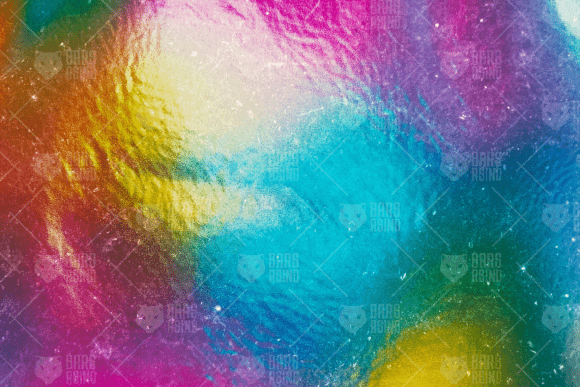
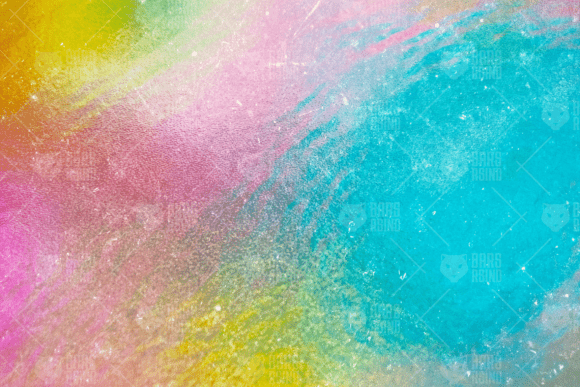
The Abstract Dark Rainbow Background is a high-resolution digital texture that merges vibrant color gradients with vintage noise and dynamic light distortions. Designed for creators seeking a visually rich and adaptable background, this texture stands out for its ability to infuse depth and a retro-inspired aesthetic into a wide range of visual projects. With a resolution of 6000 x 4000 pixels and 300 DPI in both JPG and PNG formats, it offers both quality and flexibility, making it suitable for both print and digital applications.
Key Characteristics and Design Elements
What sets the Abstract Dark Rainbow Background apart is its layered composition. The texture features a dark backdrop that enhances the vibrancy of the rainbow gradients, creating a strong visual contrast. Overlaying these gradients are subtle elements of vintage noise and fiery light leaks, which evoke the warmth and imperfections of analog film. These characteristics contribute to a dreamy, cinematic quality that can elevate the aesthetic of any design.
The chromatic blur effect adds a sense of motion and fluidity, making the background feel dynamic rather than static. This effect is particularly useful when aiming to create visuals that draw attention without overwhelming the main content. Whether used as a base for a poster, a website background, or an overlay for photography, the texture maintains its integrity and visual appeal.
Practical Applications Across Industries
This texture is especially valuable for designers, marketers, and content creators working across multiple platforms. Its high resolution and file versatility ensure that it can be used in both large-format print and high-definition digital work. Below are some of the most effective use cases:
- Album covers: Musicians and graphic designers can use the texture to craft covers that stand out with a retro yet modern feel.
- Web design: As a background element, it can add visual interest to landing pages, portfolios, or promotional banners without compromising readability.
- Social media content: Ideal for story covers, post templates, or branded visuals that need a touch of artistic flair.
- Print media: From posters to flyers, the texture supports professional print production with its high-resolution output.
Quality and Usability
One of the most important aspects of any design asset is its technical quality and ease of use. The Abstract Dark Rainbow Background delivers on both fronts. The 300 DPI resolution ensures that it holds up well in print, while the PNG format allows for transparent layering in digital design tools. This level of quality is essential for professionals who need to maintain consistency across both web and print deliverables.
From a usability standpoint, the texture integrates seamlessly into common design software such as Adobe Photoshop, Illustrator, Canva, and Figma. It can be layered, masked, or adjusted without losing clarity, making it a versatile choice for both novice and experienced designers. Additionally, the texture’s balanced color palette ensures that text and other design elements remain legible when layered over it.
Flexibility and Long-Term Value
The adaptability of the Abstract Dark Rainbow Background is one of its strongest attributes. It can be used as a standalone background or combined with other textures and graphics to build more complex compositions. Designers can adjust brightness, contrast, and saturation to suit specific project needs, ensuring that the background remains relevant across different themes and color schemes.
Because of its timeless aesthetic, this texture also holds long-term value. Unlike trend-driven design elements that may quickly become outdated, the blend of retro film effects and modern color dynamics gives the background a lasting appeal. This makes it a worthwhile investment for creatives who produce content on an ongoing basis.
Who Benefits Most from This Texture?
The Abstract Dark Rainbow Background is particularly well-suited for:
- Graphic designers: Looking for high-quality, ready-to-use textures that enhance visual storytelling.
- Photographers: Seeking unique overlays or backdrops for digital photo editing and portfolio presentations.
- Marketers and entrepreneurs: Needing visually compelling assets for branding, campaigns, and social media visuals.
- Web developers: Creating immersive websites or promotional banners that require a balance of color and contrast.
- Content creators: Building engaging thumbnails, story templates, or video overlays with a cohesive visual style.
Additionally, educators and publishers can benefit from this texture when designing course materials, presentations, or book covers that require a professional yet expressive visual tone.
Real-World Performance and Considerations
In practical use, the Abstract Dark Rainbow Background performs well under a variety of conditions. When used in web design, it enhances visual engagement without slowing page load times—especially when optimized for web use. In print, the texture maintains clarity and color accuracy, provided that the printing process supports high-resolution images.
However, there are a few considerations to keep in mind. Because of its vivid color gradients and light effects, it may not be suitable for minimalist designs where subtlety is key. Users should also test the texture with different typography and layout elements to ensure compatibility and readability.
Final Thoughts and Recommendations
The Abstract Dark Rainbow Background is a well-crafted design asset that offers both aesthetic appeal and technical performance. It bridges the gap between analog-inspired textures and modern digital design, making it a valuable addition to any creative toolkit. For professionals who frequently work on visual content, this texture provides a reliable and reusable resource that enhances the quality of their output.
If you're working on album art, branding materials, or online campaigns that benefit from a nostalgic yet vibrant look, this background is worth considering. It’s especially effective when you want to create a strong visual impression without relying solely on custom illustrations or photography. As with any design element, the key is to use it thoughtfully—ensuring it complements rather than competes with your core message.