Art Deco Sophistication in Modern Design
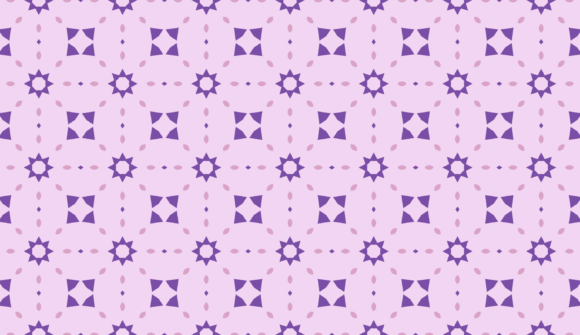
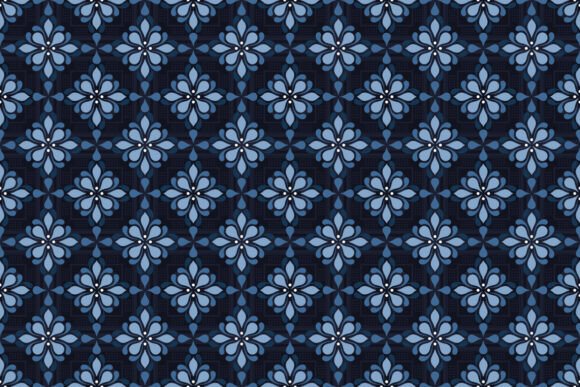
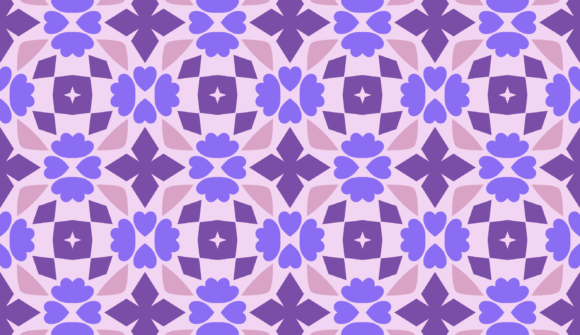
Art Deco Sophistication is more than a nostalgic nod to the 1920s and 1930s—it’s a design philosophy that continues to evolve while maintaining its signature elegance. Characterized by bold geometry, symmetry, and rich ornamentation, Art Deco has seen a resurgence in contemporary design due to its ability to blend luxury with modern minimalism. This distinctive geometric design presents a captivating amalgamation of symmetrical components, including diamonds, squares, circles, and triangles, intricately interwoven with intersecting lines, graceful swirls, and spirals. Elaborate floral motifs contribute sophistication and depth, resulting in a recurring pattern that harmoniously integrates elements of Art Deco, Modernism, and traditional folk aesthetics.
The Rebirth of Geometric Aesthetics
In a world increasingly dominated by digital minimalism, the return of geometric patterns signals a shift toward expressive, tactile design. The intricate layering of shapes and motifs in Art Deco designs offers a visual richness that stands in contrast to the flat, neutral aesthetics of recent years. Designers are now revisiting these patterns not as historical relics, but as versatile tools that can be adapted to modern contexts.
This evolution is evident across multiple design disciplines. In architecture, geometric facades are being used to create dynamic urban landscapes. In fashion, textile designers are incorporating Art Deco-inspired motifs into contemporary prints. Even in product design, brands are using these patterns to elevate packaging and branding, making their offerings more visually compelling.
Why Art Deco Sophistication Resonates Today
The appeal of Art Deco Sophistication lies in its ability to balance structure with ornamentation. In a time when consumers seek authenticity and craftsmanship, this style offers a sense of timeless elegance. The geometric patterns, often enhanced with floral motifs, provide a sense of depth and narrative without overwhelming the viewer. This makes them particularly effective in branding and visual storytelling, where subtlety and impact must coexist.
Moreover, the color palette associated with Art Deco—ranging from rich burgundy to soft lavender—adds a layer of emotional resonance. These hues are not only visually appealing but also adaptable to different industries. For example, a luxury skincare brand might use deep burgundy accents to convey sophistication, while a wellness startup could opt for soft lavender to suggest calm and balance.
Applications in Digital Design
Geometric patterns represent a valuable asset for digital designers. Web designers can employ them as backgrounds for websites, imparting a distinctive and contemporary appearance. When used thoughtfully, these patterns enhance visual hierarchy without distracting from content. They are especially effective in hero sections, where they can serve as a backdrop for headlines or calls to action.
- Eye-catching banners benefit from the dynamic movement of intersecting lines and spirals
- Presentation templates can incorporate geometric elements to add visual interest
- Mobile applications can use stylized interface elements that reflect brand personality
For instance, a travel app might integrate a subtle geometric pattern in its navigation bar to suggest exploration and structure. Similarly, an e-commerce platform could use these motifs in product category pages to create a curated, elevated shopping experience.
Print Design: From Covers to Packaging
In print design, this pattern presents a myriad of possibilities. It serves as a foundation for magazine and book covers, imparting artistic sophistication and capturing the attention of consumers. The interplay of symmetrical shapes and organic flourishes makes it ideal for editorial design, where visual intrigue is key to attracting readers.
Product packaging is another area where Art Deco Sophistication shines. Designers can incorporate it into labels, boxes, and promotional materials, crafting stylish and memorable visuals that distinguish themselves on retail shelves. A boutique coffee brand, for example, might use a geometric pattern on its packaging to evoke a sense of heritage and quality.
The geometric pattern is equally suitable for stationery, posters, and limited edition prints. Its adaptability allows for both bold and understated applications, depending on the intended audience and message.
Interior Design and Textile Applications
Art Deco Sophistication extends beyond digital and print media into the realm of interiors and textiles. The pattern’s symmetrical structure and rich ornamentation make it a natural fit for upholstery, wallpaper, and flooring. When used in moderation, these designs can add a sense of history and refinement to a space without overwhelming it.
In residential interiors, geometric motifs can be introduced through accent walls, rugs, or throw pillows. Commercial spaces, such as boutique hotels and cafes, often use these patterns to create a sense of curated luxury. The versatility of the design allows it to be paired with both modern and vintage elements, making it a go-to choice for designers aiming to create layered, intentional spaces.
Textile designers are also finding new ways to reinterpret Art Deco patterns for contemporary fashion. From structured jackets to flowing dresses, these motifs offer a balance between structure and fluidity. The use of soft lavender or muted gold tones in fabric prints helps modernize the look while preserving its inherent elegance.
Practical Considerations for Designers and Brands
For professionals looking to incorporate Art Deco Sophistication into their work, several practical considerations apply. First, it’s important to understand the balance between complexity and clarity. While these patterns are inherently detailed, overuse can lead to visual fatigue. Designers should aim for strategic placement—using the patterns as accents rather than dominant elements.
Second, color plays a critical role in maintaining the elegance of the design. A well-curated palette enhances the pattern’s visual appeal without overshadowing its structural elements. Designers should experiment with different hues to find the right balance between contrast and harmony.
Finally, the integration of geometric motifs should align with the overall brand identity. Whether used in a mobile app or product packaging, the pattern should reinforce the brand’s values and aesthetic. This ensures that the design remains not only visually compelling but also strategically effective.
Conclusion: A Timeless Pattern for Contemporary Needs
Art Deco Sophistication represents more than a design trend—it reflects a broader cultural shift toward meaningful, expressive aesthetics. As digital and physical spaces become more interconnected, the demand for designs that communicate both structure and beauty continues to grow. This distinctive geometric design, with its intricate interplay of symmetrical components and organic flourishes, offers a compelling solution.
Whether applied in web design, print media, interiors, or textiles, the pattern’s adaptability ensures its relevance across industries. By understanding its historical roots and modern applications, designers and brands can harness its power to create visually engaging, emotionally resonant experiences.