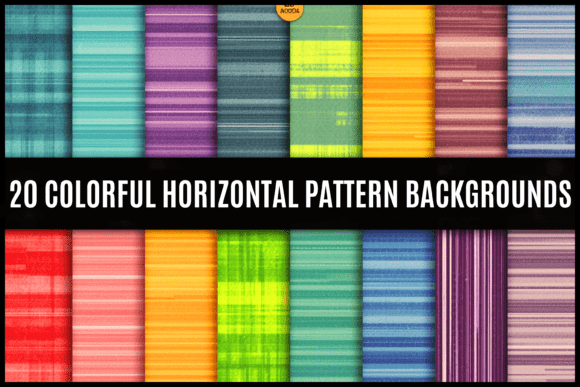
Colorful Horizontal Pattern Backgrounds: A Dynamic Design Trend for Modern Creatives
In the ever-evolving world of digital and print design, visual elements that combine structure with vibrancy are increasingly in demand. One such trend gaining traction among designers, marketers, and creatives is the use of Colorful Horizontal Pattern Backgrounds. These backgrounds, characterized by their rhythmic, horizontal arrangement of stripes, waves, geometric shapes, and artistic motifs, offer a compelling blend of aesthetics and functionality. Whether used in web design, branding materials, or product packaging, these patterns bring a sense of movement, modernity, and visual harmony to any project.
What Are Colorful Horizontal Pattern Backgrounds?
Colorful Horizontal Pattern Backgrounds are design elements that feature repeated or varied horizontal lines, shapes, or motifs in a wide range of color schemes. These can include bold contrasting hues, soft pastel gradients, neon strokes, or vintage-inspired tones. The horizontal orientation provides a sense of stability and direction, making them ideal for structured layouts while still offering visual intrigue.
Designers often choose these backgrounds for their versatility. They can be clean and uniform for a minimalist look or hand-drawn and textured for a more organic feel. Whether tribal-inspired lines, watercolor stripes, or geometric waves, these patterns add rhythm and energy to a design without overwhelming the content.
Why This Trend Is Gaining Momentum
The rise of Colorful Horizontal Pattern Backgrounds aligns with broader shifts in design preferences and consumer expectations. As brands and creators seek to stand out in a visually saturated digital landscape, they’re turning to design elements that are both eye-catching and adaptable. These patterns provide a dynamic alternative to flat colors and static images, allowing for a more engaging user experience.
Moreover, the current design landscape favors minimalism with personality. Clean layouts are still in demand, but audiences now expect a touch of creativity and warmth. Horizontal patterns offer a way to introduce color and movement without sacrificing clarity or usability. This makes them especially effective in web design, where visual hierarchy and user engagement are key.
How They Fit Into Broader Industry Trends
Several industry trends are converging to make Colorful Horizontal Pattern Backgrounds more relevant than ever:
- Web Design Evolution: Modern websites prioritize both performance and visual appeal. These patterns are lightweight, scalable, and easy to implement, making them ideal for responsive web layouts.
- Brand Identity Reinvention: As brands evolve to reflect new values and aesthetics, dynamic backgrounds help reinforce a modern, creative image without straying from professional standards.
- Print and Packaging Revival: With the resurgence of tactile design elements, horizontal patterns are being used in packaging, stationery, and printed media to create memorable, shareable visuals.
- DIY and Digital Creativity: Platforms like Canva, Adobe Express, and Figma have made design more accessible. As a result, freelancers and small businesses are leveraging these backgrounds to elevate their visual content without needing advanced design skills.
Practical Applications Across Industries
The adaptability of Colorful Horizontal Pattern Backgrounds means they can be effectively used across a wide range of industries and creative formats. Here are a few examples:
- Web Design: Used as section dividers or hero backgrounds, these patterns add visual rhythm and help guide the user’s eye through a page. For example, a tech startup might use neon-inspired horizontal waves to convey innovation and energy.
- Marketing Materials: From email headers to social media posts, these backgrounds help brands maintain a cohesive yet vibrant visual identity. A wellness brand might opt for soft pastel stripes to evoke calm and balance.
- Product Packaging: Horizontal patterns can be used to create a sense of movement and flow on product boxes or labels. A beverage brand, for instance, might use gradient watercolor stripes to stand out on shelves and communicate a natural, refreshing image.
- Fashion and Textiles: These patterns are increasingly being adapted into fabric designs, especially for streetwear and home décor. Their rhythmic structure lends itself well to repeat prints and digital textile design.
- Print Media: From event posters to magazine spreads, these backgrounds add a modern edge to print design. A music festival poster might use bold tribal lines to create a sense of rhythm and cultural depth.
Meeting the Changing Needs of Designers and Consumers
The growing popularity of Colorful Horizontal Pattern Backgrounds is also a response to shifting workflows and expectations in the creative industry. Designers today are under pressure to produce high-quality visuals quickly and efficiently. These backgrounds offer a ready-made solution that can be easily customized and reused across different platforms.
For consumers and end-users, there’s a growing appreciation for designs that feel intentional yet approachable. Static, flat backgrounds are being replaced by elements that add depth and emotion. Horizontal patterns, with their ability to evoke movement and structure simultaneously, are meeting this demand head-on.
Additionally, with the rise of remote work and digital collaboration, there’s a need for design assets that are universally accessible and compatible with a variety of tools. Many pattern sets are available in formats like SVG and PNG, making them easy to integrate into both digital and print projects.
Connecting to Larger Creative and Technological Developments
The trend of using Colorful Horizontal Pattern Backgrounds is not isolated but rather part of a larger movement toward more expressive and adaptive design. This aligns with several key developments in the creative and tech sectors:
- Design Democratization: Tools like Figma and Adobe Express have made it easier than ever for non-designers to create professional-grade visuals. Pre-made pattern backgrounds lower the barrier to entry while still allowing for customization.
- Accessibility and Readability: Horizontal patterns can enhance readability by creating visual separation between sections of content. This is especially important in responsive web design, where content must adapt to different screen sizes.
- AI and Generative Design: Emerging AI tools are now capable of generating custom patterns based on color schemes and style preferences. This opens up new possibilities for personalization and efficiency in design workflows.
- Sustainability in Print: As brands become more eco-conscious, reusable design elements like horizontal patterns help reduce waste by allowing for consistent, adaptable templates that can be updated without full redesigns.
Conclusion: A Design Element with Lasting Impact
As the design world continues to evolve, Colorful Horizontal Pattern Backgrounds represent a powerful and versatile tool for creatives across industries. They offer a unique combination of structure and visual energy, helping designers meet the demands of modern audiences while staying true to brand identities.
Whether you're a professional designer, a small business owner, or a digital marketer, incorporating these patterns into your visual strategy can elevate your content and create a more engaging experience for your audience. As tools become more advanced and design expectations continue to rise, these backgrounds are poised to remain a go-to choice for those looking to blend creativity with clarity in their visual storytelling.