Enhancing Visual Projects with Abstract Rainbow Neon Backgrounds
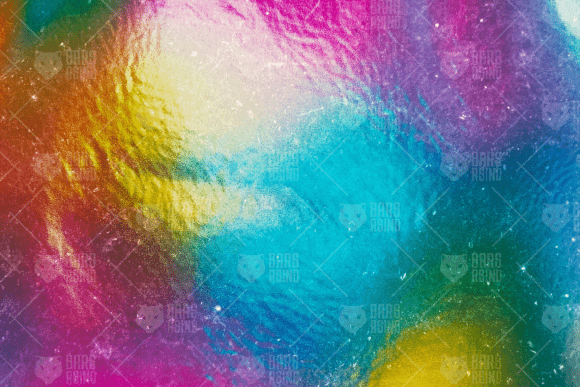
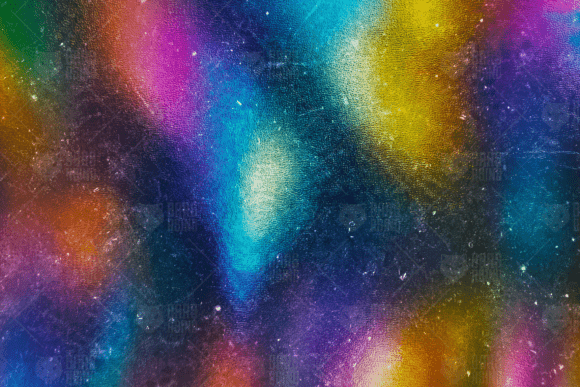
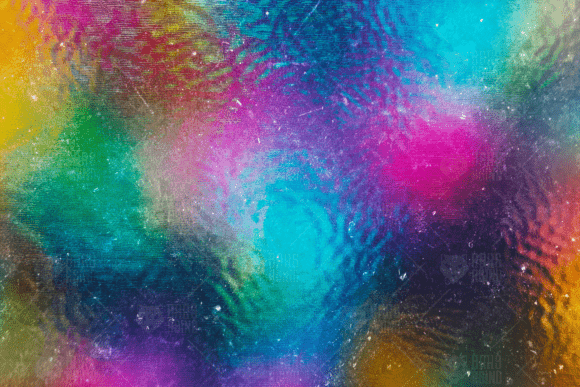
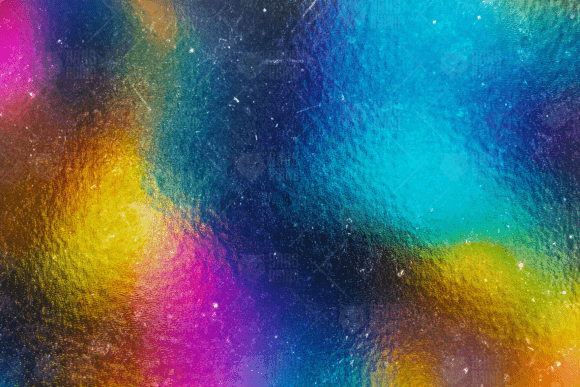
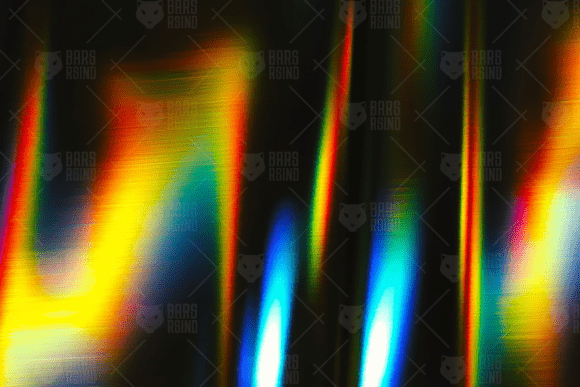
If you're looking to add a splash of vibrant color and retro charm to your digital designs, the Abstract Rainbow Neon Background could be the perfect solution. This unique texture blends vivid gradients, vintage noise, and fiery light distortions to create a dreamy, nostalgic aesthetic that stands out in any visual project.
Whether you're working on album covers, posters, website backgrounds, or social media content, this high-resolution background offers a versatile and eye-catching option. Let’s explore what makes this texture special, how it can elevate your work, and where it fits best in modern design workflows.
Understanding the Visual Appeal
The Abstract Rainbow Neon Textured Background is more than just a colorful image. It’s a carefully crafted blend of glowing rainbow effects, light leaks, and chromatic blur that mimics the soft imperfections of analog film. This gives it a tactile, almost magical quality that digital-only textures often miss.
Its 300 DPI resolution and 6000 x 4000 px dimensions ensure that whether you're printing a poster or designing a website banner, the clarity remains sharp and professional. The JPG and PNG file formats offer flexibility for both web and print use, making it a go-to resource for designers across industries.
Why Retro Aesthetics Are Making a Comeback
In recent years, there’s been a growing trend toward retro-inspired design elements. This resurgence is partly due to the emotional resonance of vintage styles, which evoke nostalgia and authenticity in a world dominated by sleek digital visuals.
The rainbow neon background taps into this trend by blending the warmth of analog film with the vibrancy of modern neon aesthetics. It works especially well for brands and creatives aiming to stand out with a unique, handcrafted look that feels both fresh and familiar.
Applications Across Creative Industries
One of the standout features of this background is its versatility. It can be used across a wide range of creative projects:
- Album covers: Add a psychedelic or synthwave vibe that complements electronic or indie music genres.
- Posters and flyers: Use it as a base to make event promotions pop with energy and color.
- Web design: Integrate the texture into hero sections or background elements for a dynamic visual experience.
- Social media content: Ideal for story covers, post templates, and branded visuals that need a retro yet modern touch.
- Photo overlays: Enhance portrait photography or digital art with dreamy, prismatic light effects.
Designers can layer the texture over other visuals or use it as a standalone background, depending on the desired intensity and mood.
Technical Benefits for Designers
From a technical standpoint, the Abstract Rainbow Neon Background offers several advantages:
- High resolution: At 6000 x 4000 pixels, it supports large-format printing and high-definition digital displays without pixelation.
- Print and web compatibility: Available in both JPG and PNG formats, it works seamlessly across platforms and design software.
- Layer flexibility: PNG files allow for transparent backgrounds, making it easy to blend with other design elements in tools like Photoshop or Canva.
- Color versatility: The vibrant gradients can be adjusted using blending modes, letting designers match the texture to their brand colors or project themes.
These features make it a practical choice for both amateur creators and professional designers who need reliable, high-quality assets without compromising on visual impact.
How to Incorporate the Texture into Your Workflow
Integrating the rainbow neon background into your design process is straightforward. Here are a few tips to get the most out of it:
- Start with a mockup: Use the texture in a design mockup to visualize how it will look in the final product before committing to a layout.
- Adjust blending modes: Experiment with screen, overlay, or soft light blending modes in your design software to control how the colors interact with other layers.
- Use as a background accent: Don’t overpower your design—let the texture enhance your content rather than dominate it.
- Pair with minimalist elements: The texture’s vibrancy works well when balanced with clean typography and simple design elements.
These techniques help ensure the texture enhances your visual storytelling without overwhelming the viewer.
Choosing the Right Projects for Maximum Impact
While the Abstract Rainbow Neon Textured Background is versatile, it’s best suited for specific types of projects. Consider using it when:
- You want to evoke a sense of nostalgia or retro-futurism.
- Your design needs a strong visual focal point that’s not overly complex.
- You’re targeting audiences that appreciate bold colors and artistic flair.
- You're creating promotional materials for music, art, or lifestyle brands.
It may not be ideal for corporate or formal branding materials, where subtlety and professionalism are key. But for creative and entertainment-focused industries, it’s a powerful asset.
Where to Find and Use the Texture
Many design marketplaces and stock image platforms offer the Abstract Rainbow Neon Background. When downloading, make sure you’re getting the full 300 DPI resolution and check the licensing terms to ensure it can be used for both personal and commercial purposes.
Once downloaded, it can be imported directly into most design tools including Adobe Photoshop, Illustrator, Figma, Canva, and even video editing software for motion graphics.
Final Thoughts on Designing with Rainbow Neon Textures
Incorporating the Abstract Rainbow Neon Background into your work is a smart way to bring energy, depth, and personality to your visual projects. Its blend of vintage noise, glowing gradients, and chromatic effects offers a modern twist on retro design while remaining adaptable to various creative needs.
Whether you're designing a music album, a social media campaign, or a print poster, this background can help your work stand out in a visually saturated world. With its high resolution and flexible file formats, it's a valuable addition to any designer’s toolkit.